Introducing Pegasus 03

The Quadcopter

20
m/s
Max speed
45
min
Flight time
30
km
Max flight range
11.4
kg
takeoff weight
5
kg
payload capacity
Autonomous
system

Airframe

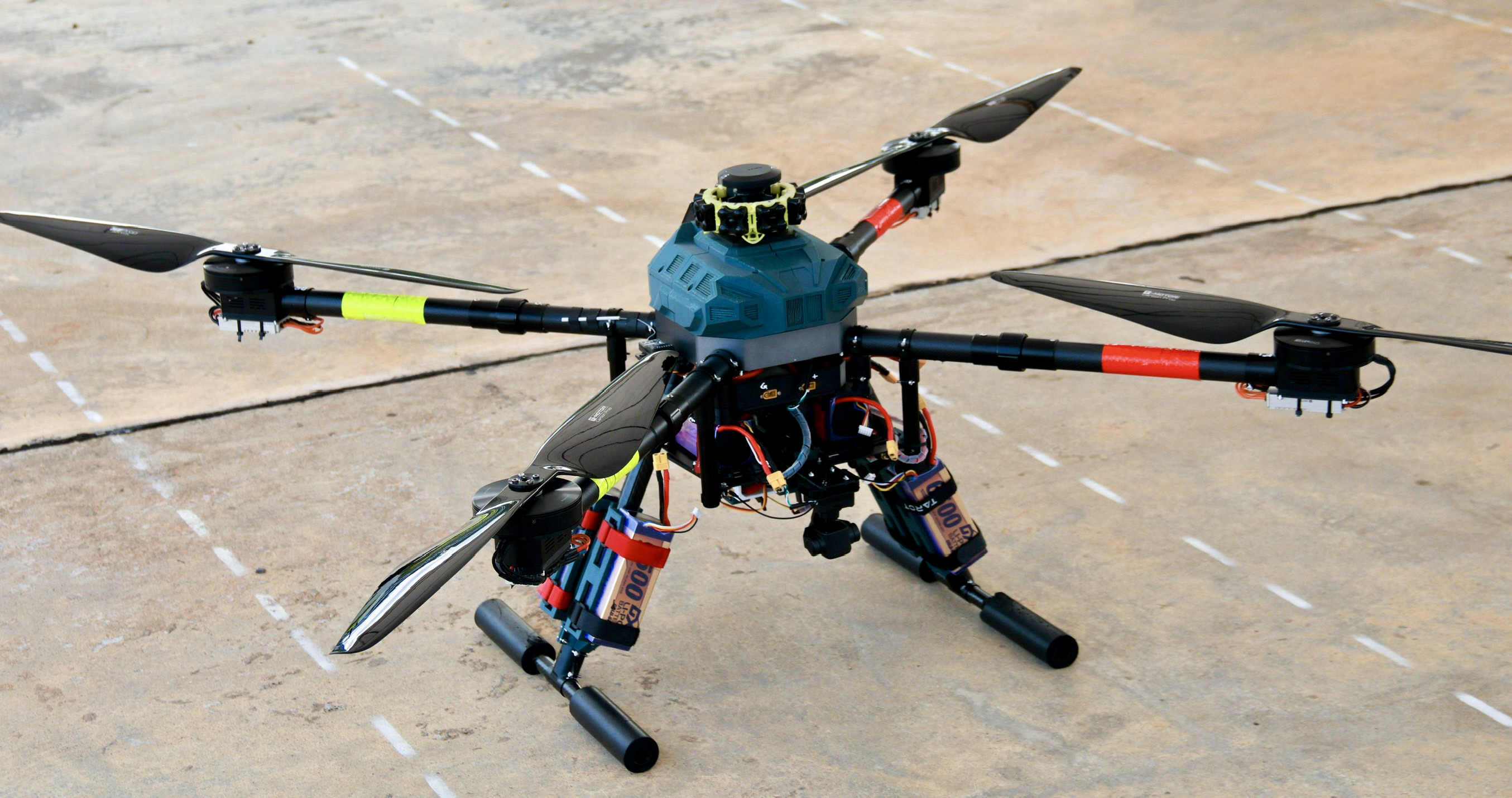
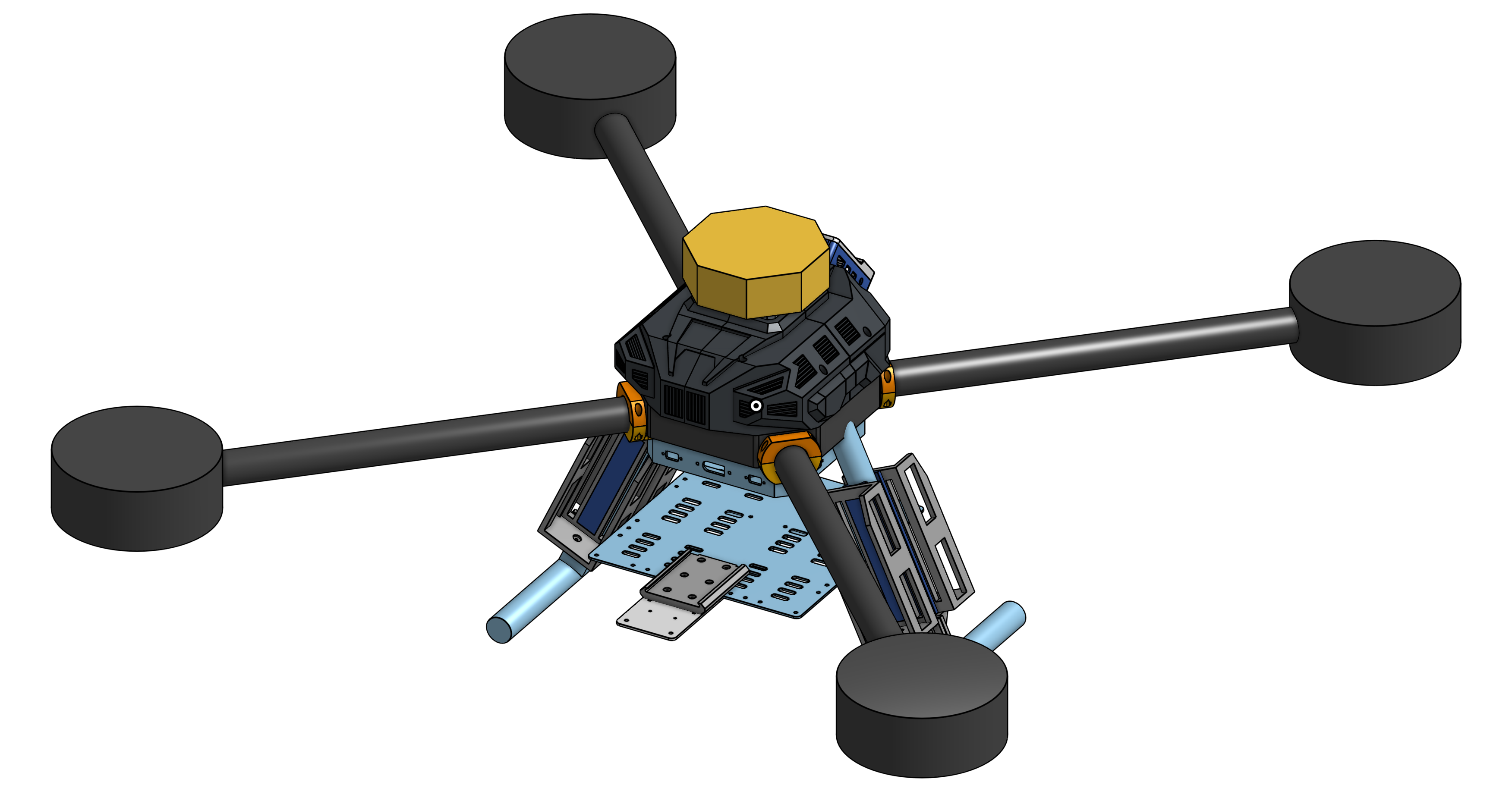
INNLOI X1100
(Carbon fiber + Aluminum Alloy structure)

Motor

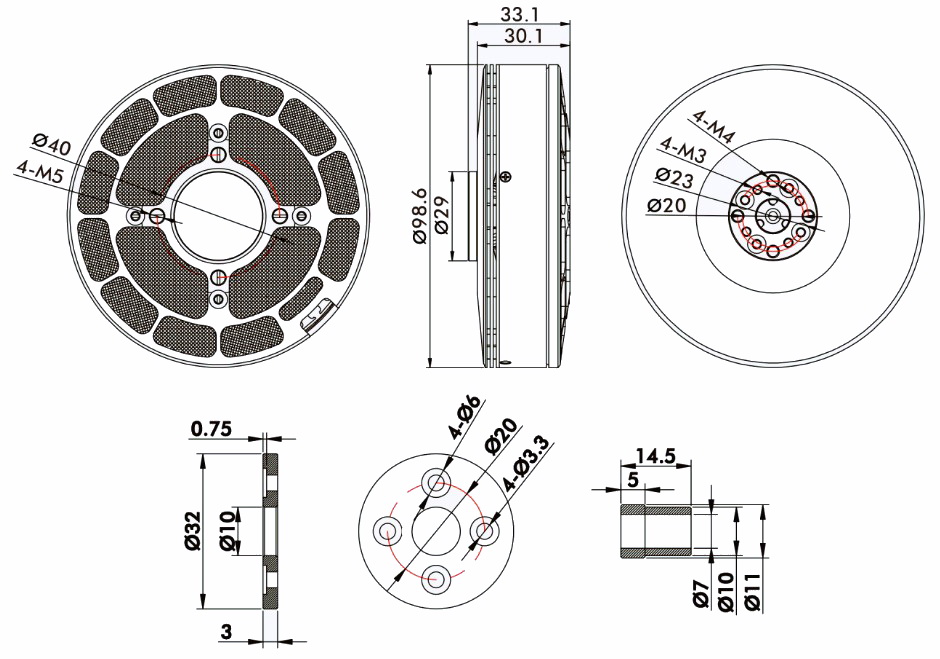
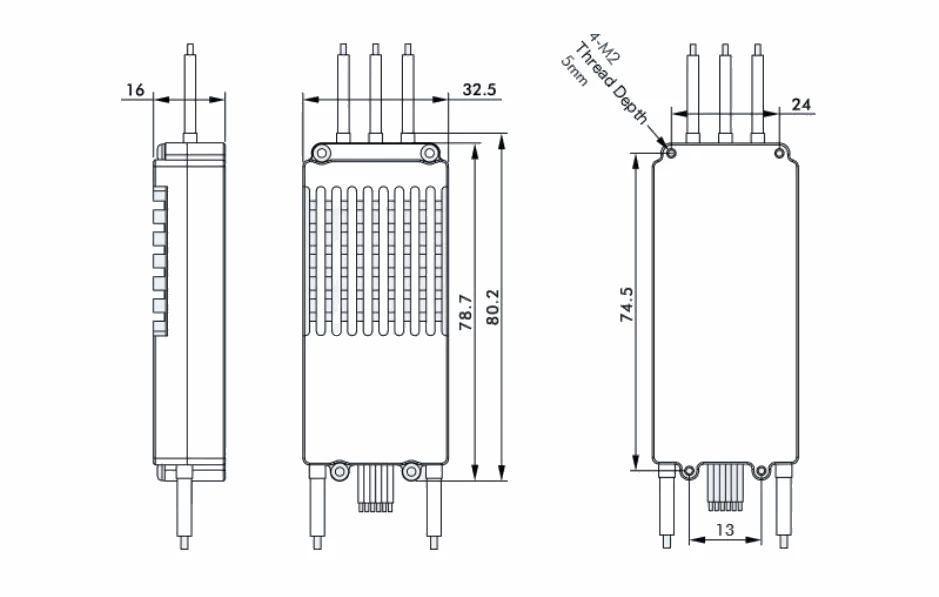
T-MOTOR U10II KV100 with ALPHA 60A 12S FOC ESC

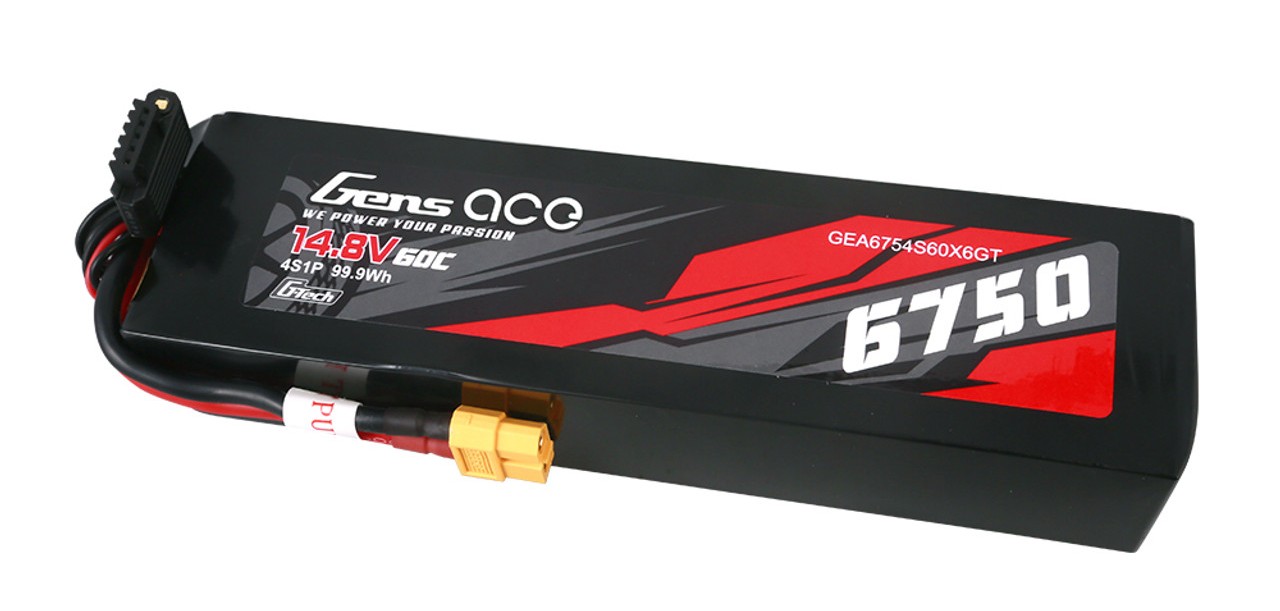
Battery

6 packs of 4S LiPo (Series + Parallel configuration)

Modular Structure

Supports fast payload replacement

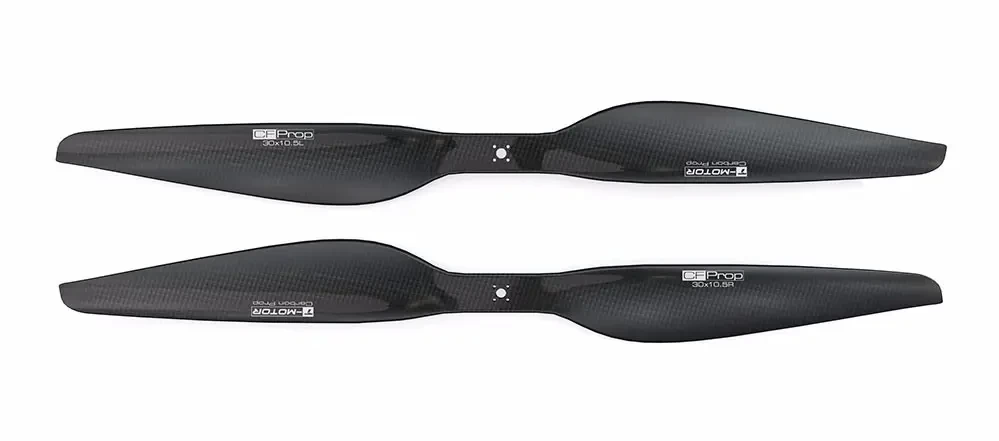
Propeller

T-MOTOR Carbon Fiber

Camera

Integrated Gimbal controlled via MAVLink
The Quadcopter

Pegasus 03

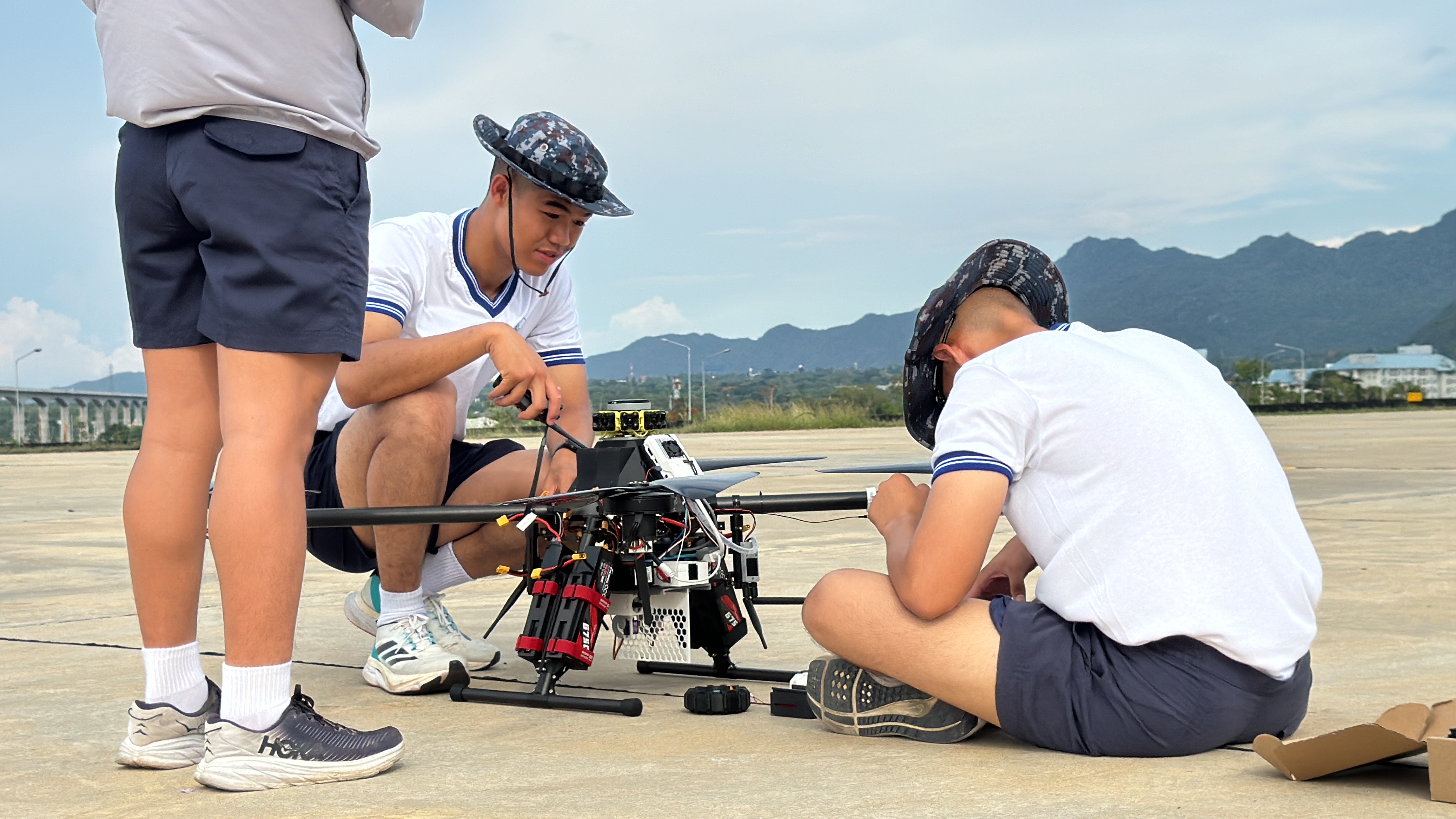
We are proud to present Pegasus 03, our latest UAV, fully developed and built by our team. Engineered for performance and reliability, Pegasus 03 features extended flight endurance, high thrust efficiency, and intelligent navigation—designed to meet real-world mission demands with precision and stability.
Pegasus 03

Design Strategy

This section detailed the comprehensive design strategyof our UAV, encompassing a thorough analysis of missionrequirements, the selection and design of the aircraft platform,the development of key subsystems, and the integration of ourpayload system.

Proof of Flight I Pegasus 03

UAV Systems

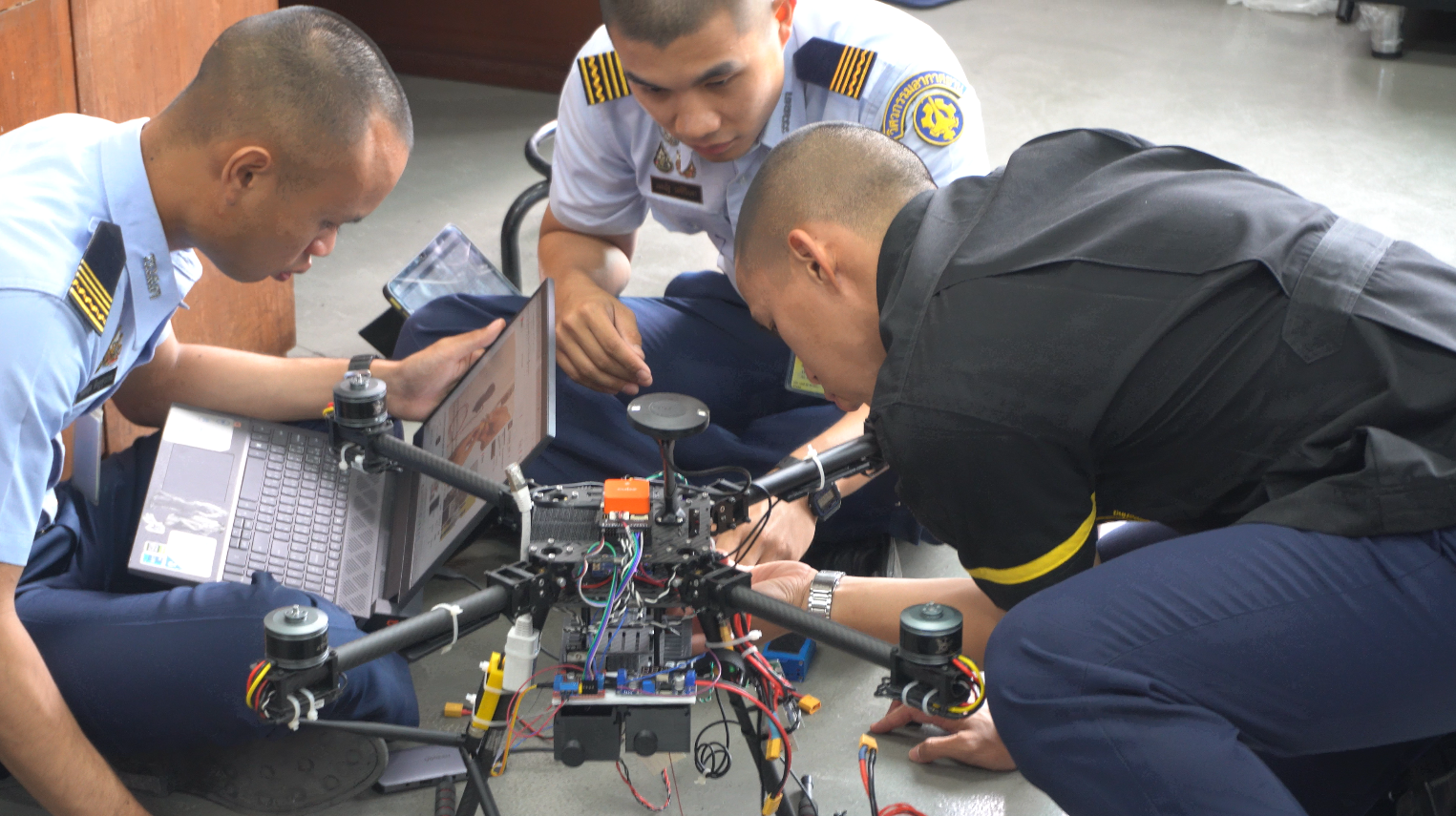
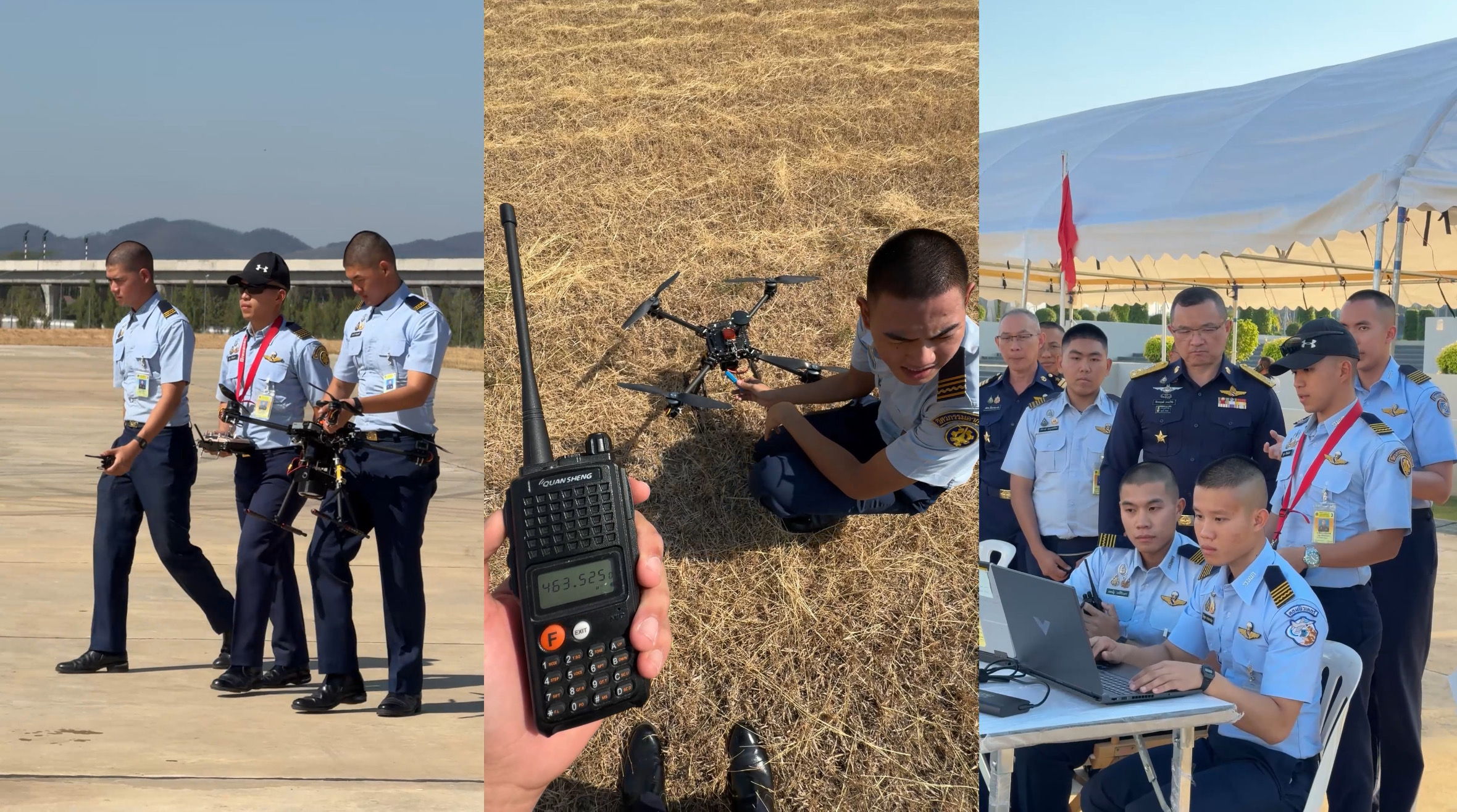
   A UAV system fuses technology, teamwork, and purpose. For efficiency and mission success, we develop it through three core components: Hardware, Software, and Communication. Our SUAS competition strategy prioritizes completing all required tasks for maximum overall mission success, leveraging lessons from three prior multi-rotor competitions. We focus on incremental improvements for enhanced performance and reliability, carefully balancing system complexity with robustness

Special Features

The Pegasus 03 offers advanced autonomous flight capabilities, long-endurance missions, real-time data transmission, and payload systems, making it ideal for surveillance, mapping, and tactical operations.

Communication System

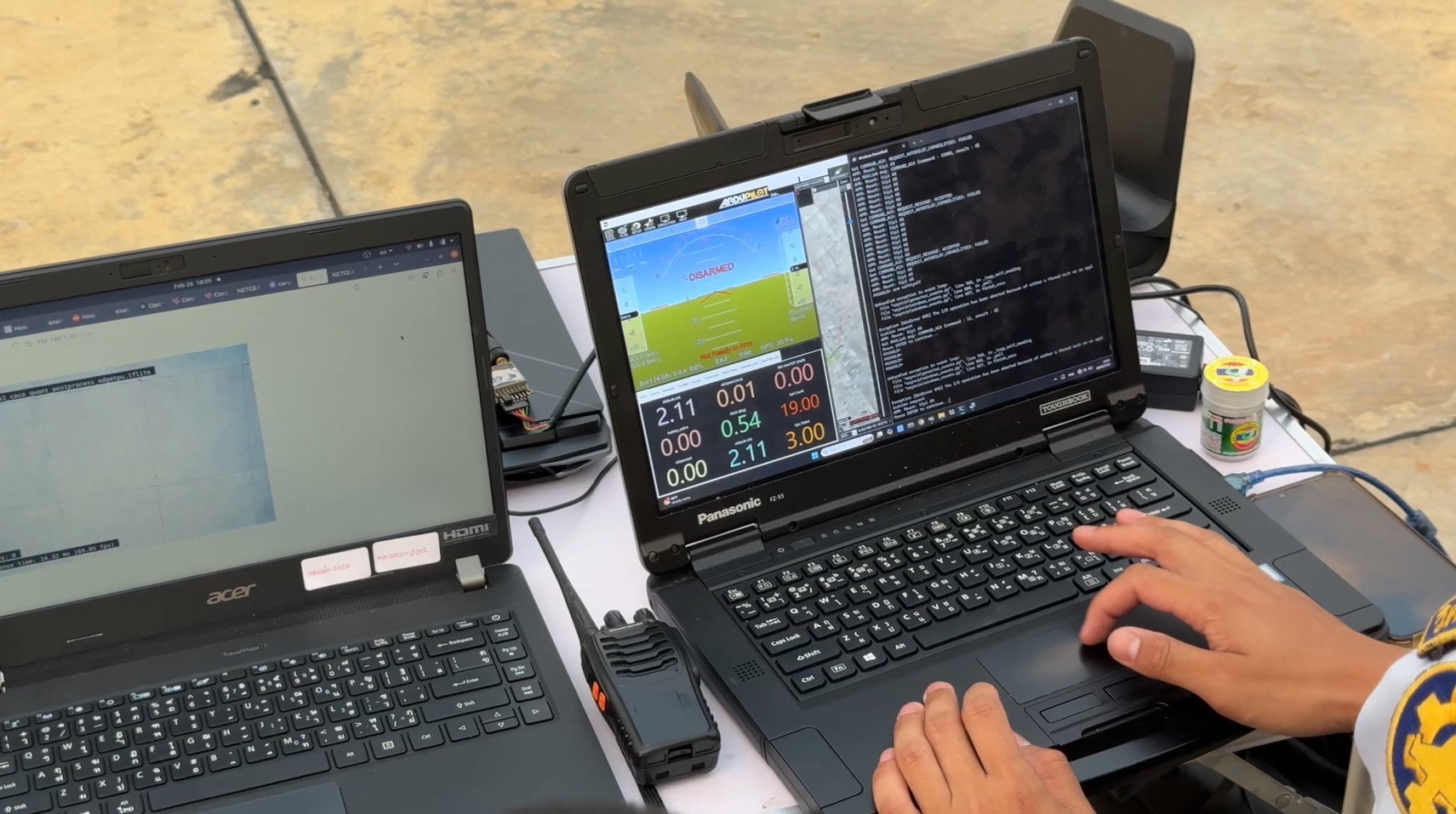
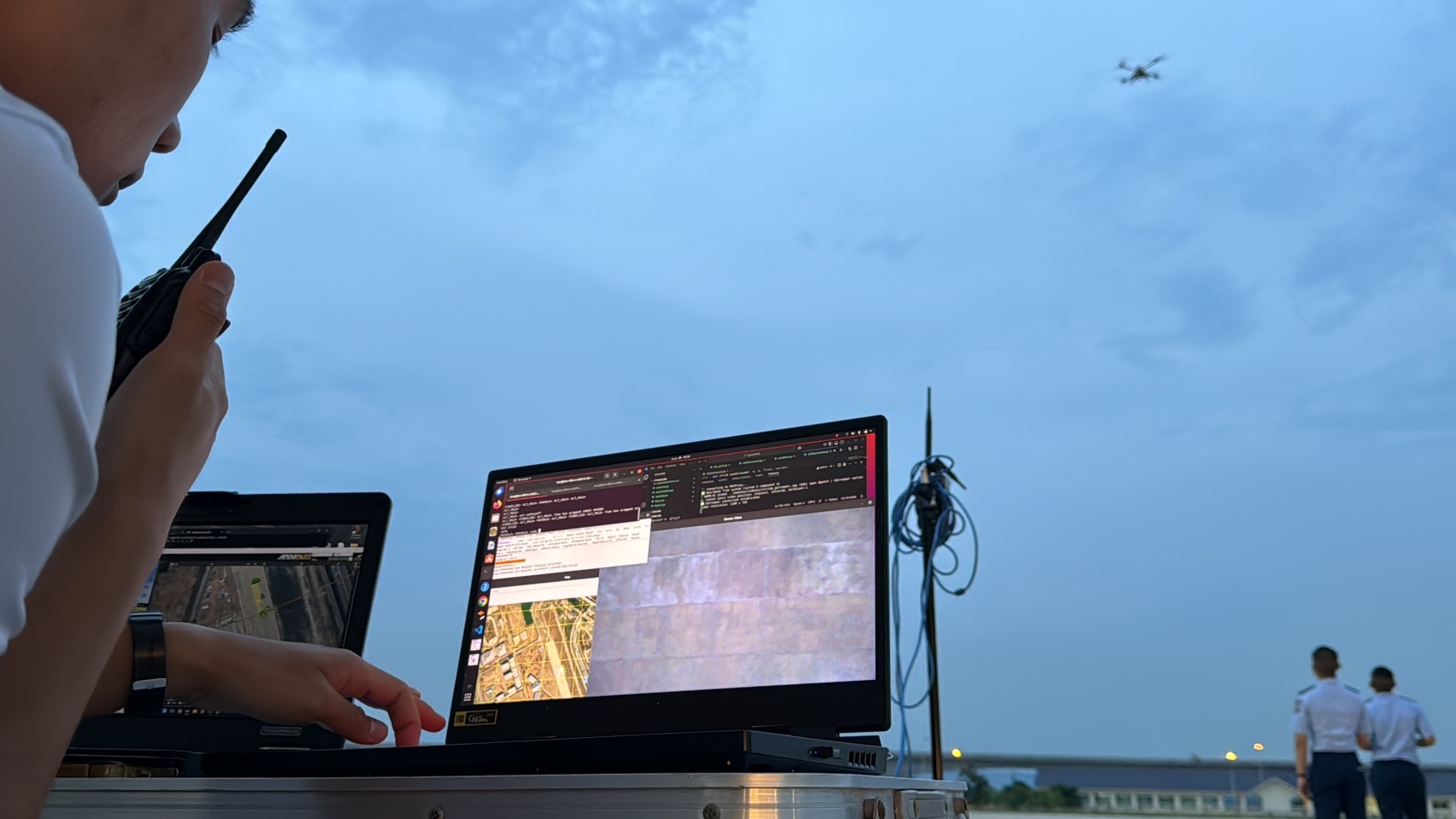
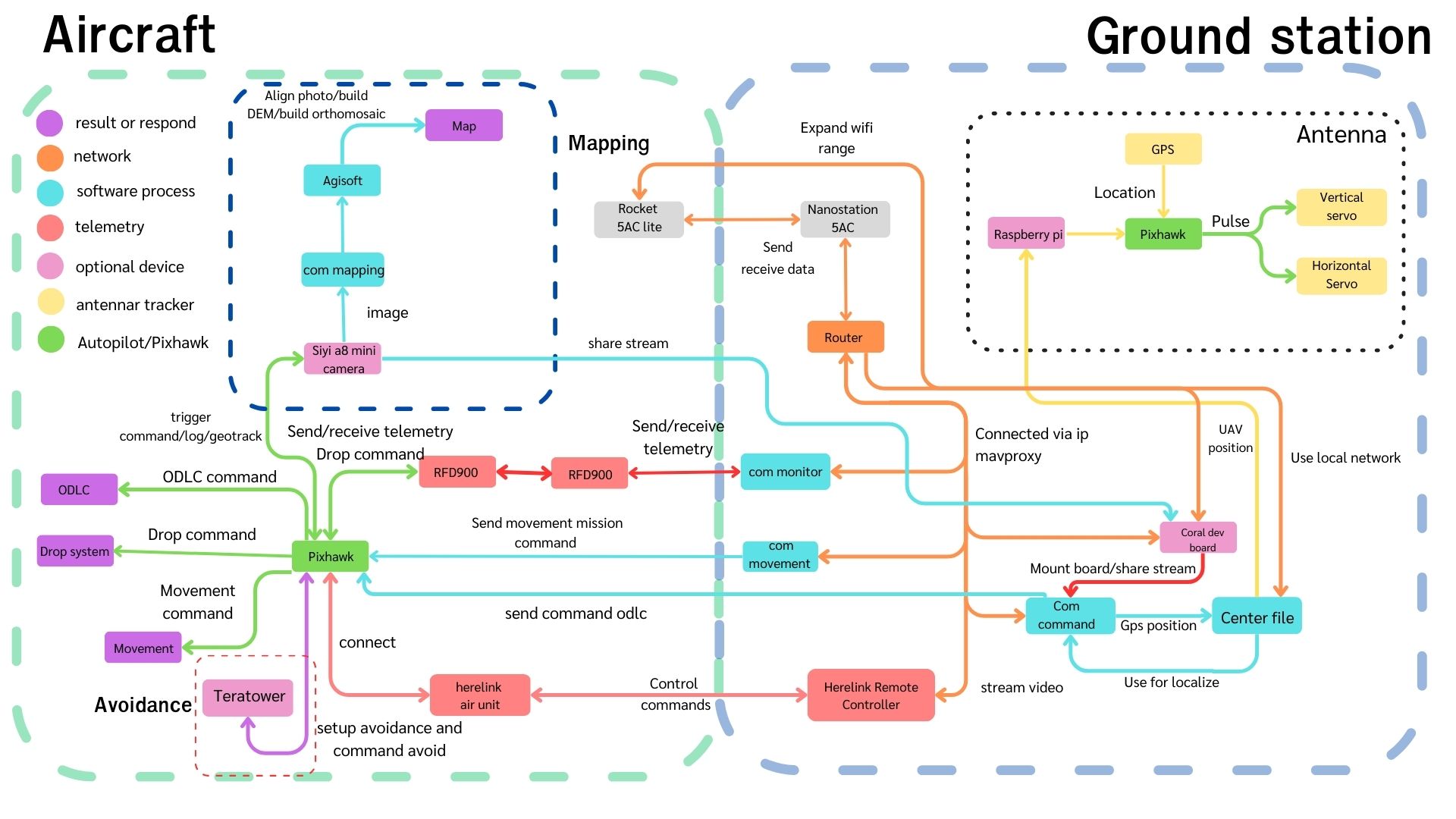
Our communication system achieves robust long-range operation through an antenna tracker and redundant telemetry across three full-duplex bands: 900 MHz (RFD900X), 5 GHz (Nanostation/Rocket 5AC), and 2.4 GHz (Herelink). The antenna tracker optimizes signal quality, ensuring a stable link for critical flight data.

Airdrop System

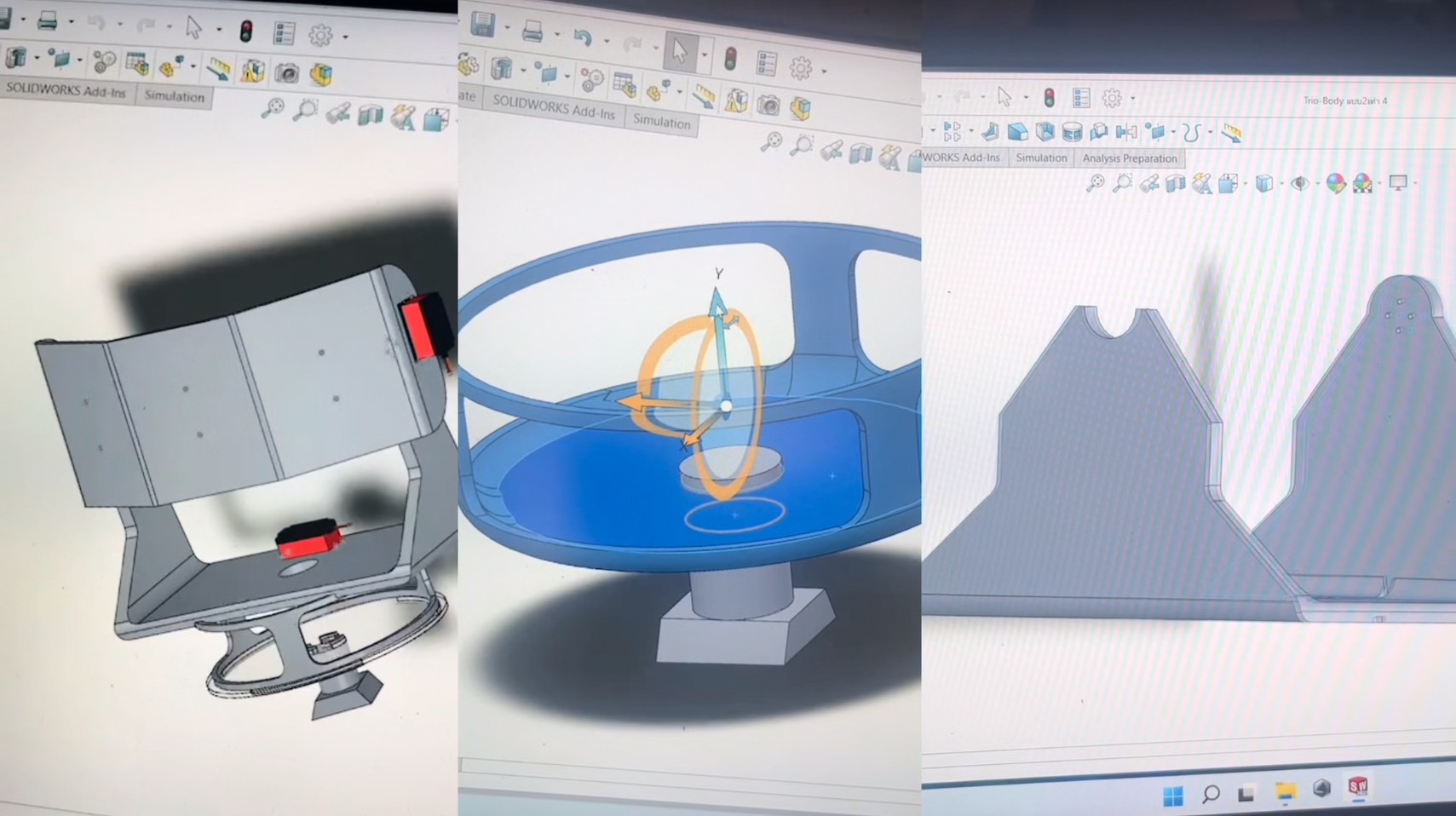
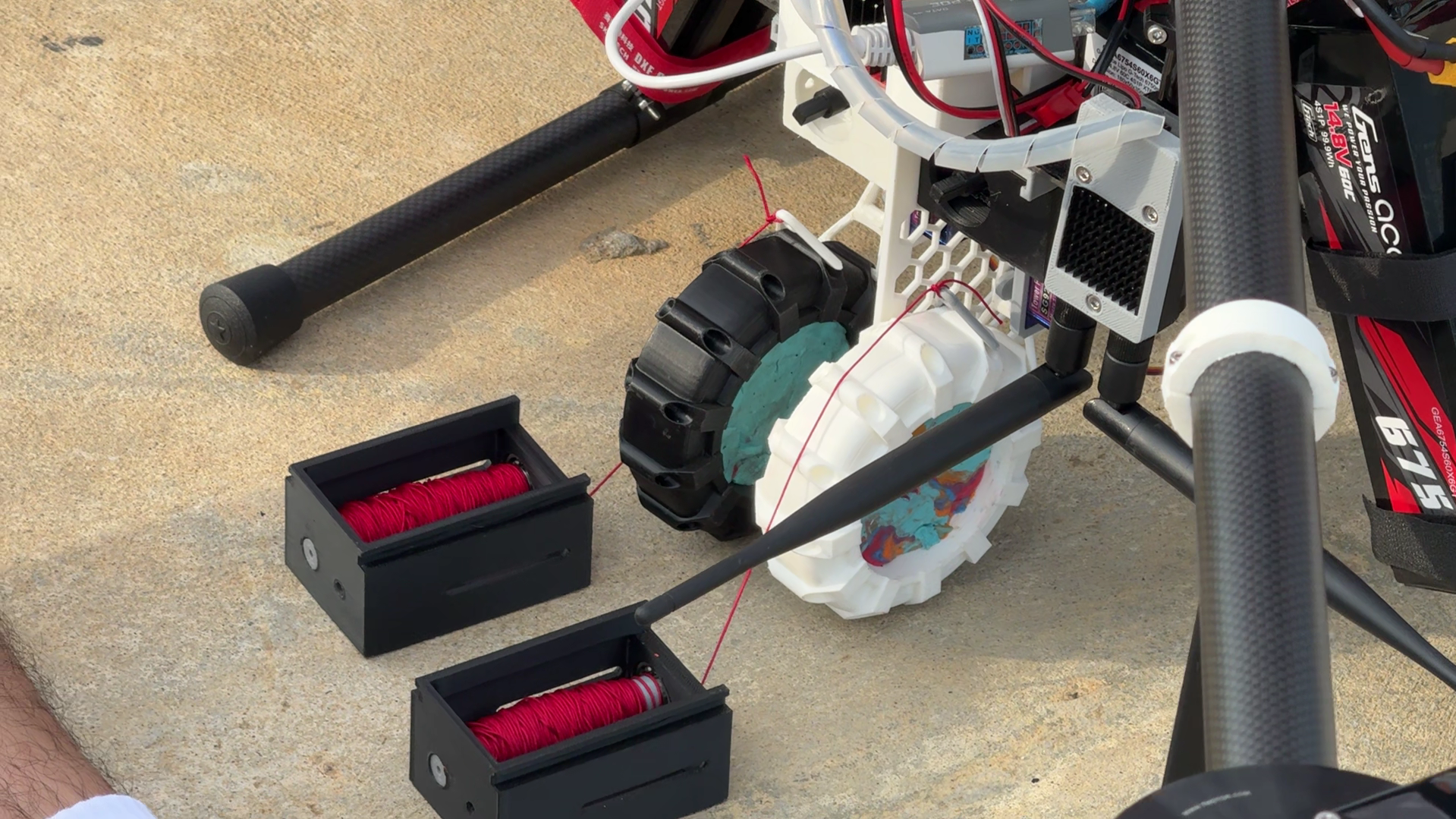
Prioritizing operational efficiency and swift payload swaps, our design incorporates a motorized winch with a reverse function to quickly release payloads and clear any jams.

Autonomous Flight

The UAS is designed for fully autonomous operation, encompassing takeoff, waypoint navigation, and landing. These functionalities undergo regular testing and validation, with the expectation of autonomous flight completion without manual intervention.
Submission

Airdrop

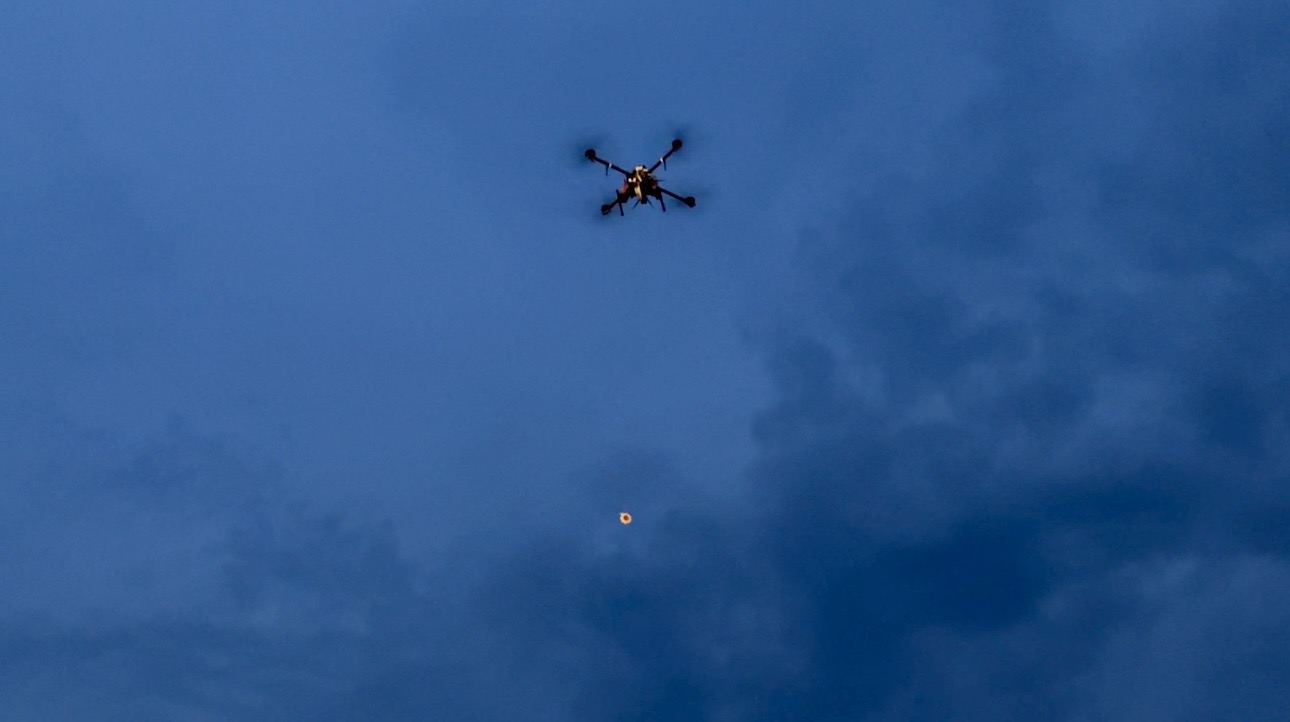
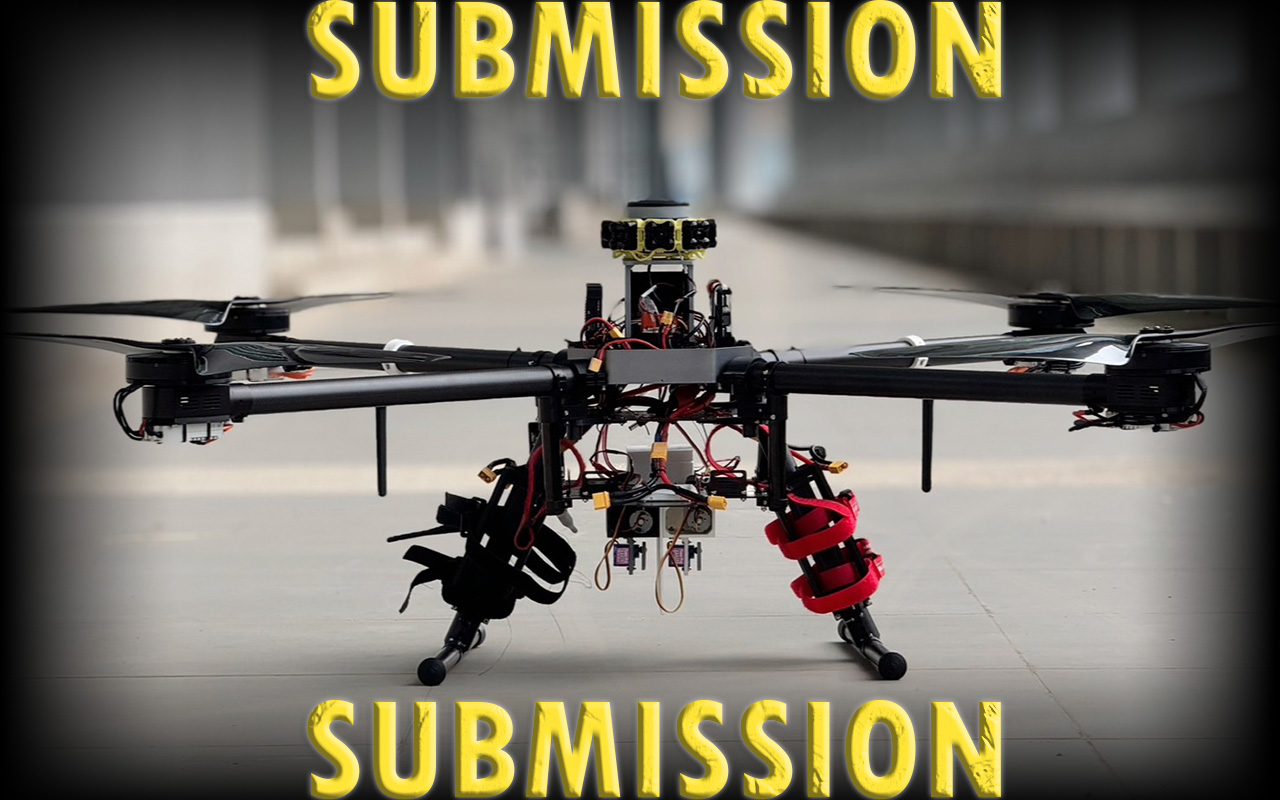
The airdrop subsystem has undergone thorough testing and validation to ensure dependable payload release and separation. The deployment mechanism is specifically designed to fully eject the payload from the UAV platform, preventing penalties for retained items in accordance with competition regulations. Ultimately, our design choices reflect a balanced strategy that emphasizes system reliability and the consistent fulfillment of mission objectives. While this may result in a lower score in the weight and volume category, it aligns with our guiding principle: reliability takes precedence in achieving overall mission success.
Submission

Object detection localization and classification

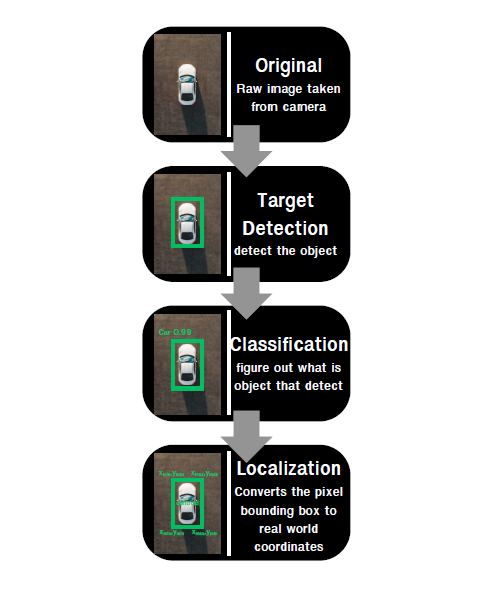
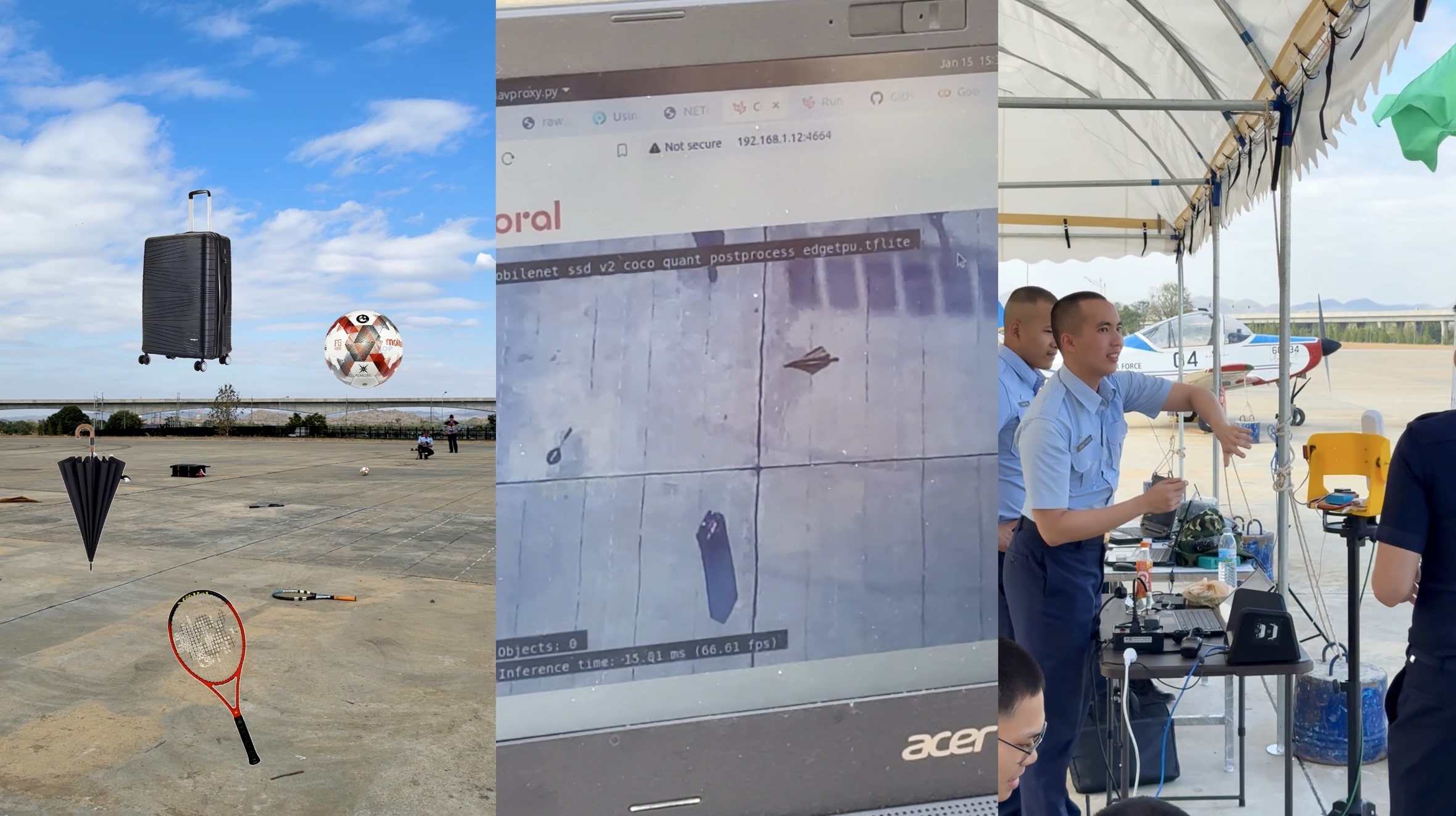
Preliminary testing indicates that our ODLC system exhibits detection accuracy within the range of 80–90%. However, the system’s performance is constrained by the camera sensor’s limited image quality and dynamic range. This limitation can lead to increased detection latencies, especially in scenarios characterized by variable illumination or high-speed flight. To address this performance bottleneck, the ODLC pipeline parameters, specifically camera altitude, flight speed, and image capture rate, are optimized to balance image quality and overall mission throughput.
Submission

Mapping

This mapping solution is built around an efficient, pre-planned flight path to enhance data collection. The mission is divided into well-structured phases, including a scheduled mid-flight landing that allows for payload installation and retrieval of flight logs and SD cards for early data analysis. Accurate image geotagging is performed in Mission Planner by applying a time offset, aligning captured images with GPS data. The subsequent photogrammetry process, carried out in Agisoft Metashape, generates a Digital Elevation Model and an organized image set, leading to the production of a georeferenced orthomosaic. Onboard automation and carefully tuned image overlap settings allow the aircraft to carry out the mission efficiently—balancing speed, coverage, and energy usage to achieve mapping goals without unnecessary flight time.
Submission

Obstacle Avoidance

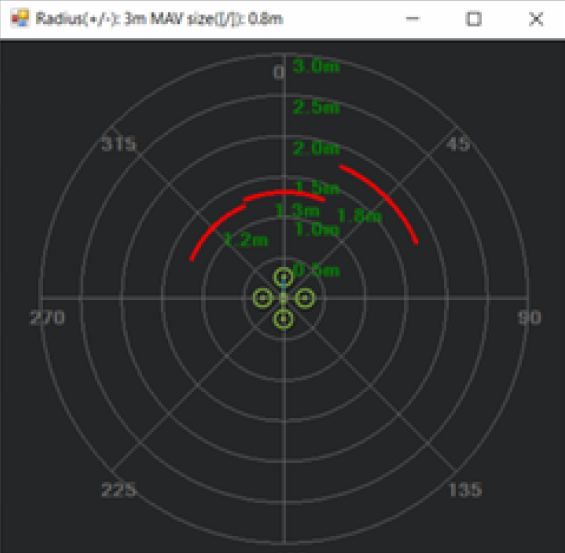
This section describes the real-time obstacle avoidance system of the Pegasus 03. The TeraRanger Tower Evo, a lightweight LiDAR array, provides 360° environmental scanning and sends accurate distance data to the Pixhawk flight controller for rapid obstacle detection and evasion. When an object is detected within 60 meters, the system analyzes spatial data to calculate the safest, shortest detour. The UAV can execute vertical maneuvers if necessary, then autonomously return to its planned path. This dynamic rerouting—compared to a "bendy ruler"—ensures mission continuity. The accompanying figure shows the Tower Evo’s 360° proximity view and detected obstacles.
Pegasus 03

Highlighted Advantages

Driven by a mission-centric approach, the RTAF UAV team prioritizes reliability, modularity, and real-time autonomy in their operations. Our multirotor UAS is specifically engineered for exceptional stability, precise autonomous navigation, and dependable payload delivery, all underpinned by a robust and thoughtfully designed system architecture featuring.